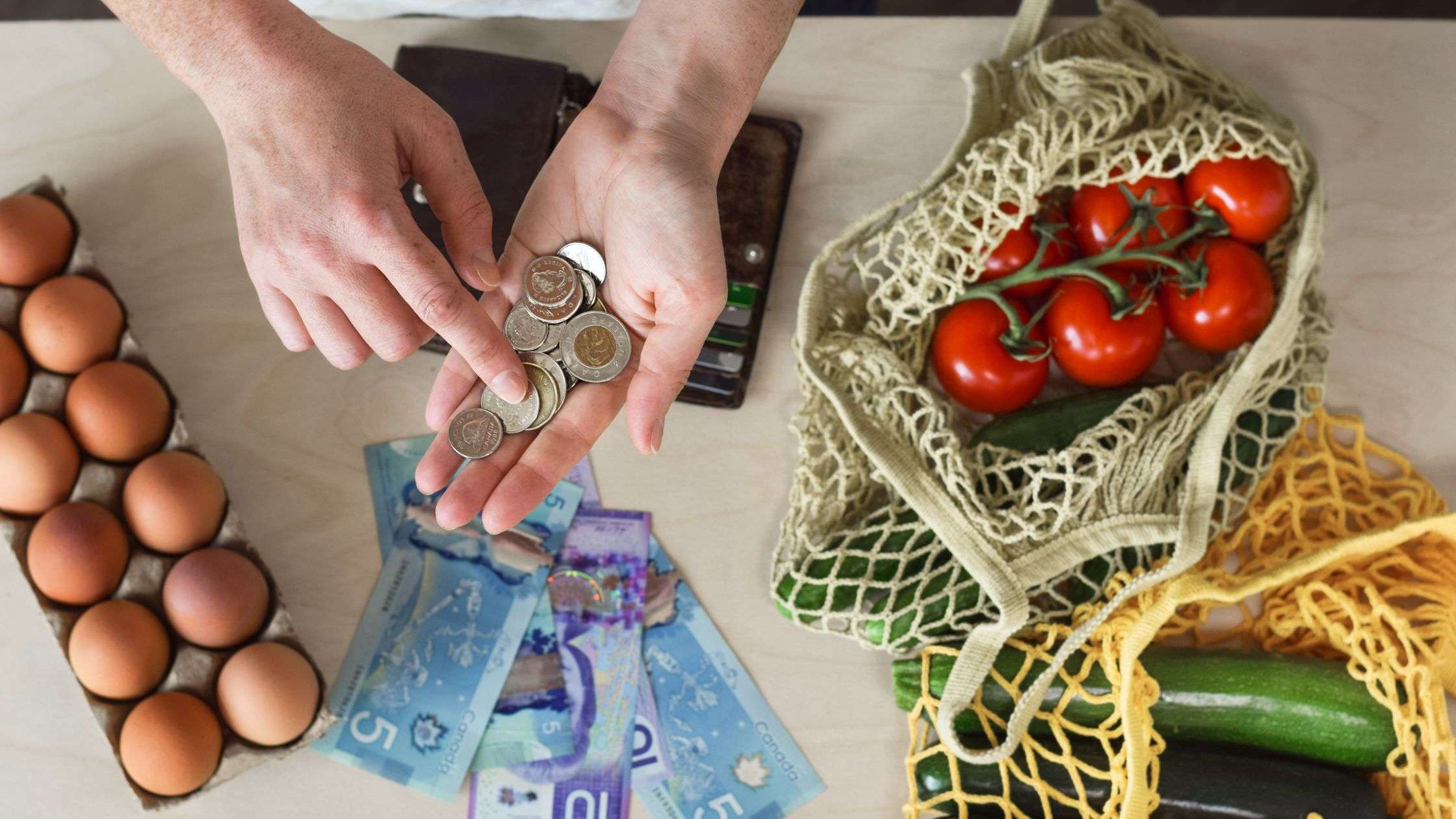
In this weeks blog we’ve outlined 12 effective ways to cut your grocery costs. From meal planning and shopping for seasonal produce to buying in bulk and creatively using leftovers, these strategies not only reduce waste but also ensure your family enjoys nutritious meals. Implementing these tips will help you stretch your budget and make the most of every penny spent on groceries.
This post may contain affiliate links. Please see my full disclosure policy for details.
Reduce Your Grocery Costs with 12 Effective Strategies to Save Money on Food
1. Create a Meal Plan
“Failure to plan is planning to fail.” This saying rings true, especially when it comes to grocery shopping. A well-thought-out meal plan can help you avoid impulse purchases and unnecessary spending.
By taking a few minutes to jot down your meals for the week, you can create a shopping list based on what you need, which is crucial for maintaining focus while at the store. For many, it helps to keep things simple by planning just two to three meals each week. This strategy not only simplifies your planning process but also ensures you stick to your list, reducing the likelihood of buying items that might end up going to waste.
Meal planning also allows you to think strategically about the ingredients you buy. Aim for meals that use complementary ingredients so that you can maximise their use across different dishes. For example, if you purchase a large bag of onions, you can incorporate them into multiple recipes throughout the week, reducing waste and saving money.
2. Buy in Bulk
Buying in bulk, particularly for non-perishable goods, is another excellent way to save both time and money. Items like rice, pasta, and canned goods often come at a better price when purchased in larger quantities. Instead of buying a small 1 kg bag of rice every week, consider investing in a 5 or 10 kg bag that will last you for months. Not only does this approach reduce the frequency of shopping trips, but it often proves more economical over time. Many stores offer significant discounts on bulk purchases, and storing these items in a food storage container can help you stay organised while keeping costs down.
3. Cook in Bulk

Batch cooking is an effective technique for saving money and reducing food waste. When you prepare meals, consider doubling the portions so you have leftovers to freeze for later. This method is particularly helpful during busy weeks when you may not have time to cook from scratch. By batch cooking, you not only save time but also prevent food from going to waste.
Many families find that cooking larger quantities allows them to provide nutritious meals without the added stress of daily cooking. For example, if you make a pot of spaghetti Bolognese, consider cooking enough for two meals; enjoy half for dinner and freeze the rest for a night when you’re short on time. This approach mirrors the practices of many home cooks who traditionally batch cook, making it a tried-and-true strategy that benefits both time and finances.
4. Get Creative with Leftovers
Leftover food doesn’t have to be a burden. Instead, think of it as an opportunity to create new dishes. For example, after preparing a roast chicken, use the leftover pieces to make a hearty casserole or a warming soup the next day. This approach not only minimises waste but also saves you money and time in the kitchen. The key to effectively utilising leftovers is to have a mindset of creativity; for instance, leftover vegetables can be incorporated into stir-fries or frittatas, transforming what could have been wasted into delicious meals.
This method is particularly beneficial for families, as it allows you to make the most of what you already have, avoiding unnecessary grocery purchases. Involving children in this process can also make mealtimes more exciting, as they help decide how to repurpose leftovers, creating a sense of teamwork in the kitchen.

5. Shop Around for Sales and Discounts
Being savvy about where you shop can make a substantial difference to your grocery budget. Take the time to compare prices at different supermarkets and look out for discounts and special offers. Many stores have weekly circulars or online apps that showcase current promotions, so make it a habit to check these before you head out. By doing a little extra research, you can find the best deals on the items you need, enabling you to save money without sacrificing quality.
Another effective strategy is to sign up for loyalty programmes, which can offer exclusive discounts and rewards based on your shopping habits. Being flexible about where you shop and taking advantage of sales can lead to significant savings over time.
6. Buy Seasonal Produce

Seasonal fruits and vegetables are often cheaper and fresher than out-of-season produce. For instance, certain items like carrots and parsnips are typically more affordable during winter months. By buying seasonal produce, not only will you save money, but you’ll also enjoy better-tasting food that is often sourced locally. Seasonal shopping allows you to embrace the variety that nature has to offer, encouraging a more diverse diet while reducing costs.
7. Limit Processed Foods
Processed foods tend to be more expensive and less healthy than whole foods. Focus on purchasing single-ingredient items and preparing meals from scratch whenever possible. This approach not only improves your family’s nutrition but can also significantly reduce your grocery bills. When you eliminate processed foods from your diet, you typically find that your grocery list consists of more affordable staples like grains, legumes, fruits, and vegetables.
Moreover, cooking from scratch encourages creativity and exploration in the kitchen, allowing you to discover new recipes and techniques while also being kinder to your wallet. By prioritising whole foods, you’re investing in your health and your budget simultaneously.
8. DIY Your Snacks
Making your own snacks can be surprisingly easy and cost-effective. For instance, instead of purchasing pre-packaged popcorn, consider making it from kernels, which is far cheaper. You can also create homemade granola bars or energy balls with just a few simple ingredients, allowing you to control what goes into your snacks while saving money in the process. By preparing your own snacks, you can tailor them to suit your tastes and dietary preferences, ensuring that they are both enjoyable and healthy.
This approach also means that you can make larger batches of snacks, reducing the need to constantly purchase more. Involving children in the snack-making process can turn it into a fun family activity, teaching them valuable cooking skills while reinforcing healthy eating habits.
9. Compare Unit Prices
When shopping, don’t just look at the final price of an item. Always check the unit price, which indicates the price per ounce, kilogram, or other measurement. This small adjustment in how you evaluate products can lead to significant savings. Often, items may appear similarly priced, but when you look at the unit price, one might offer far better value.
Being aware of unit pricing is especially helpful when purchasing items in different package sizes, as this can help you make informed decisions that ultimately save money. Taking the time to compare unit prices can add up to substantial savings over time, ensuring that you are making the most of your grocery budget.
10. Shop the Perimeter of the Store

Supermarkets are designed in a way that encourages you to buy processed foods from the middle aisles. Instead, focus on shopping around the perimeter, where you’ll find fresh produce, meat, and dairy items. These sections typically feature healthier and less expensive options. By prioritising your shopping around the perimeter, you’re more likely to fill your cart with wholesome ingredients rather than processed alternatives that often carry a higher price tag.
This approach can also lead to a more nutritious diet, as the foods found on the outer edges of the store tend to be fresher and less heavily marketed. Adopting this shopping strategy will not only save you money but can also have a positive impact on your overall health.
11. Include Kids in Meal Planning
If you have children, involve them in the meal planning process. When kids help choose meals, they’re more likely to eat what’s prepared. This collaborative approach can make grocery shopping more fun for the whole family. You might find that offering your children a few options to choose from encourages them to engage more with their meals, making them less fussy at the dinner table.
By cultivating an environment where children feel included in the planning process, you can encourage healthy eating habits and create a sense of responsibility around food choices. This practice not only strengthens family bonds but also helps instill valuable lessons about nutrition and budgeting.
12. Be Intentional with Your Shopping
Managing food costs effectively requires intentionality. Make a conscious effort to apply these strategies each time you shop, ensuring that you’re getting the most value for your money. Approaching grocery shopping with a clear plan and purpose allows you to avoid impulse buys and ensures that every purchase aligns with your family’s needs and budget.
By implementing these strategies, you can effectively reduce your grocery expenses while still providing nutritious meals for your family. Remember, managing food costs is not just about cutting back; it’s about being smart with your shopping habits. Embracing these changes can lead to significant savings over time, ensuring that you’re making the most of your resources while maintaining a balanced diet for your loved ones.
More Like This:
If you enjoyed this post, ‘Reduce Your Grocery Costs with 12 Effective Strategies to Save Money on Food’, then you will also enjoy my other blog posts on similar topics, check them out below: